



Mongolia's Energy Security - Telmen Altanshagai | 2025 Episode 23
Description
This episode of The IR thinker explores Mongolia’s evolving energy landscape with policy analyst Telmen Altanshagai, focusing on how a landlocked state navigates dependence, diversification and development. The conversation maps Mongolia’s current energy mix and security challenges, from coal reliance, heating and grid issues in Ulaanbaatar to infrastructure gaps in rural areas, before turning to governance structures and policy coordination. We examine the strategic implications of projects such as the Power of Siberia 2 gas pipeline and India’s investment in Mongolia’s first oil refinery, alongside China’s expanding role and the prospects for regional connectivity through concepts like the East Asian Power Grid. The episode also considers energy poverty and inequality, the impact of climate change, constraints posed by national debt, and what policy priorities a Mongolian prime minister should pursue to strengthen energy security and harness the global energy transition for long-term, broad-based development.
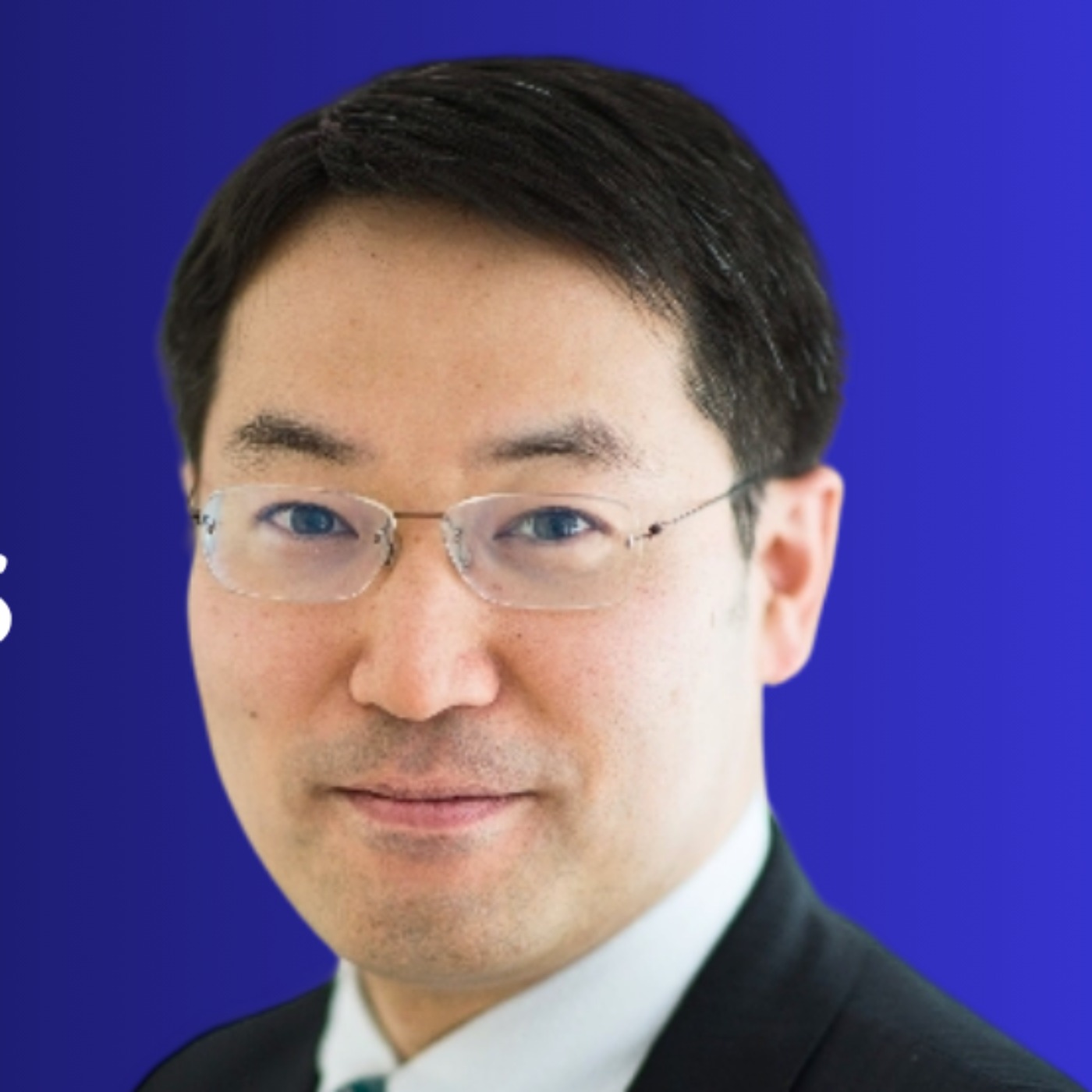
Telmen Altanshagai
Telmen Altanshagai is a Washington, D.C.–based independent policy analyst and Energy and Climate Intern at Observer Research Foundation America, as well as a Fellow at the Global Policy Institute. Her work focuses on energy security and development economics across the Global South, with particular expertise on Mongolia, where she analyses how shifting global energy systems affect economic stability and long-term development trajectories.
Publications:
Mongolia’s Gas Pipeline Diversification Comes With Risk
Mongolia seeks new markets in Eurasia
Mongolia’s Precarious Energy Security
Content
00:00 – Introduction
01:31 – Overview of Mongolia’s Energy Mix and Security Landscape
04:13 – Pathways for Energy Diversification
07:08 – Can China Serve as a Source of Energy Diversification?
08:44 – Heating Infrastructure and Urban Electricity Challenges in Ulaanbaatar
11:05 – Persistent Dependence on Coal
14:02 – Energy Access and Infrastructure in Rural Mongolia
16:03 – Structure and Dynamics of Energy Governance
18:59 – Potential Benefits of the Power of Siberia 2 Pipeline for Mongolia
22:46 – Domestic Expertise and Policy Debate on Power of Siberia 2
24:32 – Assessing the Need for an Oil Pipeline from Russia
25:32 – India’s Investment in Mongolia’s First Oil Refinery
27:31 – Mongolia’s Broader Energy Investment Strategy
31:32 – Domestic Investment Climate and Incentives for the Energy Sector
34:30 – China’s Expanding Energy Investments in Mongolia
35:59 – The East Asian Power Grid Concept and Regional Connectivity
37:59 – Energy Poverty and Socioeconomic Inequality
41:22 – Climate Change Impacts on Mongolia’s Energy Security
43:48 – Building Human Capital for Energy Security
46:18 – National Debt and Its Implications for Energy Policy
49:12 – Comparing Africa and Mongolia: Mining Wealth and Public Benefit
51:47 – Policy Priorities: What Should a Mongolian Prime Minister Do to Strengthen Energy Security?
54:54 – Future Directions and Research Opportunities
Hosted on Acast. See acast.com/privacy for more information.





















 United States
